The Charm and Challenges of Historical Homes
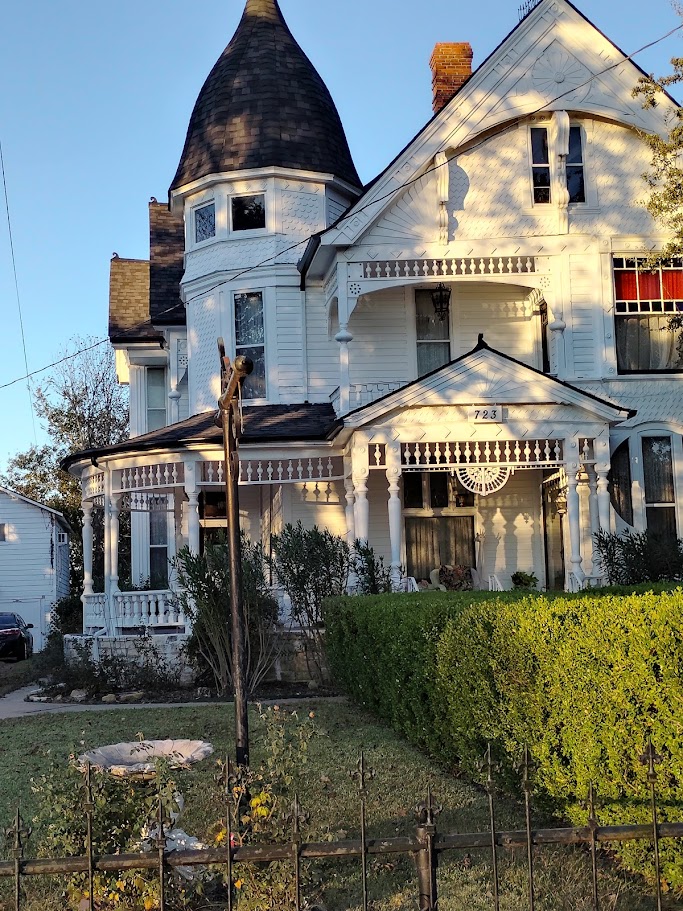
Owning a historical home is like stepping into a living piece of history. These homes exude character, tell unique stories, and often feature architectural details that are difficult to find in modern construction. However, the journey of owning one comes with its own set of challenges. Let’s dive into the ups and downs of historical homeownership and why not all historical homes deserve their "money pit" reputation.
The Benefits of Historical Homes
- Timeless Charm and Craftsmanship Historical homes often boast intricate woodwork, handcrafted moldings, and one-of-a-kind layouts. They were built in an era when artisanship reigned supreme, and this attention to detail makes them treasures for design enthusiasts.
- A Sense of History Living in a historical home means being part of a story that spans generations. From original hardwood floors to fireplaces that have warmed countless families, these homes connect you to the past in a deeply personal way.
- Unique Features No cookie-cutter designs here! Historical homes often have distinctive features like wraparound porches, clawfoot tubs, and pocket doors that make them truly stand out.
- Community and Preservation Many neighborhoods with historical homes foster a strong sense of community, with residents sharing a passion for preserving their area's charm and heritage.
The Challenges to Consider
- Higher Insurance Costs Insurance for historical homes can be more expensive due to the potential cost of restoring unique architectural features or using period-appropriate materials in case of damage.
- Renovation and Maintenance Rules Homes listed on historical registers or located in designated historical districts often come with strict regulations. These may include:
- Rebuilding Restrictions: If damage occurs, repairs must often adhere to original designs and materials.
- Paint Colors: Some districts regulate paint colors to preserve the home’s historical accuracy.
- Modernization Costs Updating electrical systems, plumbing, or insulation in a historical home can be costly. However, these upgrades often increase the home’s comfort and value.
- Ongoing Maintenance Maintaining a historical home requires more effort, as older materials and systems need careful attention to ensure their longevity.
Debunking the "Money Pit" Myth
While some historical homes require significant investment, not all are financial burdens. Many homeowners find that the benefits outweigh the costs, especially with careful planning. Investing in routine maintenance and understanding local regulations can make owning a historical home an enjoyable and rewarding experience.
Is a Historical Home Right for You?
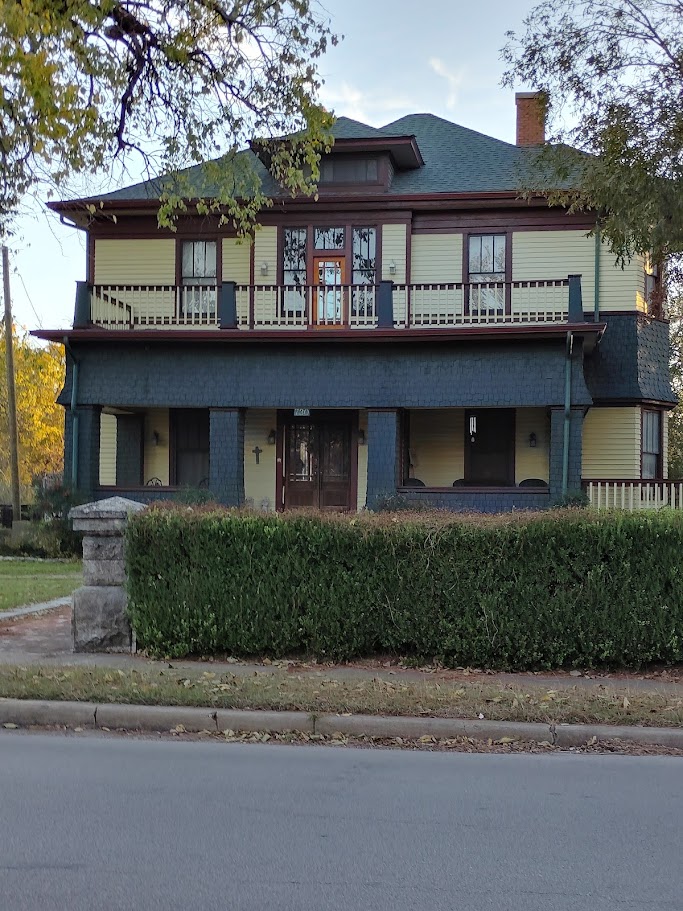
If you’re captivated by the idea of owning a home with character and charm, a historical home could be your perfect match. Just be sure to:
- Do Your Research: Understand local historical designations and associated responsibilities.
- Budget for Repairs: Factor in higher maintenance and insurance costs.
- Connect with Experts: Work with contractors and insurers familiar with historical properties.
Owning a historical home isn’t just about living in a house—it’s about preserving a piece of the past while creating your future. With the right mindset and preparation, your dream historical home can become your dream reality.
Considering a historical home? A knowledgeable real estate agent can help guide you through the process. If you’re ready to explore the possibilities, feel free to reach out to me—I’d love to help you find the perfect home with a story.