Moving can be overwhelming, not just for us, but for our four-legged friends too. Dogs, especially, are creatures of habit, and when everything changes suddenly, it can throw them off in ways you might not expect. If you've noticed your dog acting out, seeming anxious, or just not their usual self, they’re likely feeling the effects of the move just as much as you are. Here’s how moving impacts dogs and, more importantly, what you can do to help them adjust.
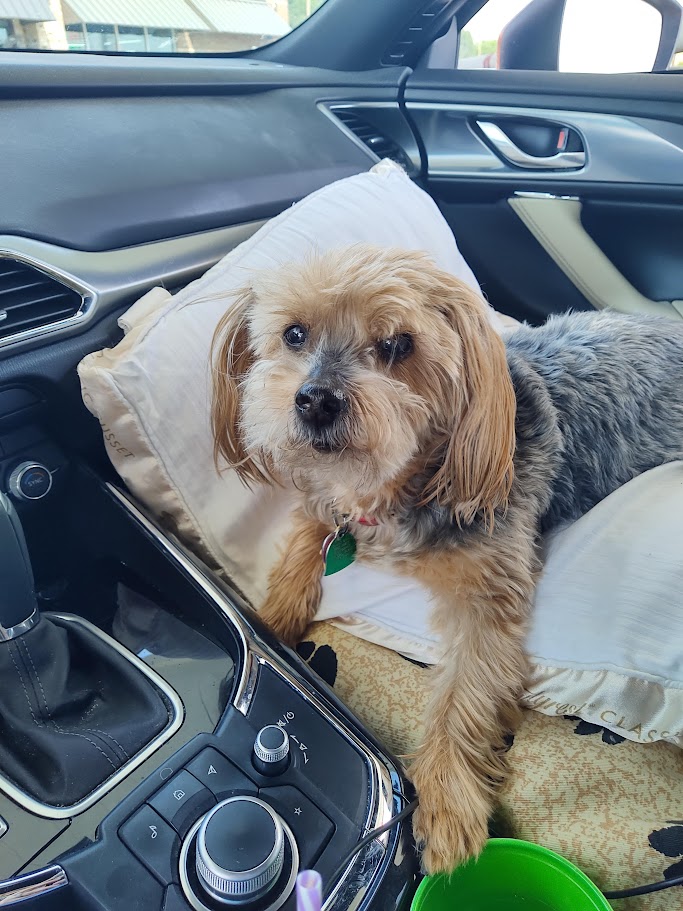
Why Moving Can be hard on your Dog
Moving can be overwhelming, not just for us, but for our four-legged friends too. Dogs, especially, are creatures of habit, and when everything changes suddenly, it can throw them off in ways you might not expect. If you've noticed your dog acting out, seeming anxious, or just not their usual self, they’re likely feeling the effects of the move just as much as you are. Here’s how moving impacts dogs and, more importantly, what you can do to help them adjust.
1. Anxiety and Fear of the Unknown
Dogs are sensitive to changes in their environment. They pick up on all the little details—the furniture being packed, the new smells, and even your stress levels. When everything familiar disappears, it’s easy for them to feel unsettled. That’s when you may see nervous behaviors like pacing, whining, or even hiding.
2. Loss of Their Territory
A home is more than just a space to your dog—it’s their territory. Moving to a new home means they lose that sense of security. New surroundings can make them feel on edge until they’ve had time to adjust and re-establish a sense of comfort in the new space.
3. Increased Clinginess and Separation Anxiety
With so many changes, some dogs can develop separation anxiety, becoming extra clingy or refusing to let you out of their sight. Their usual confidence might waver as they worry about being left alone in an unfamiliar place.
4. Behavioral Changes
It’s not uncommon for a dog’s behavior to shift after a move. They may start barking more, acting more territorial, or even becoming withdrawn. This is just their way of processing the disruption to their routine.
5. Physical Symptoms of Stress
If your dog is really stressed, you might notice physical symptoms like loss of appetite, upset stomach, or disrupted sleep. It’s important to recognize these signs early so you can help them through the transition.
6. Picking Up on Your Stress
Let’s face it, moving is stressful for humans too. And dogs are masters at sensing our emotions. If you’re feeling frazzled, your dog will likely mirror those feelings, which can add to their anxiety.
Dogs That Might Struggle the Most
While all dogs can feel the effects of a move, some might find it harder than others. Older dogs, those with pre-existing health issues, or naturally anxious dogs tend to be more sensitive to big changes like relocating.
Helping Your Dog Settle In
Moving doesn’t have to be a nightmare for your dog. Here are a few things you can do to help them adjust smoothly:
-
Take Them to Visit the New House: If it’s possible, bring your dog to the new house a few times before the move. Let them explore and get used to the new smells so it’s not all brand new on moving day.
-
Stick to Their Routine: Even if your surroundings change, try to keep feeding times, walks, and playtime on schedule. A consistent routine will give your dog a sense of normalcy.
-
Reassure Them with Your Calm Presence: Your dog looks to you for cues. Staying calm and speaking in soothing tones can help them feel more secure. Give them extra attention and comfort during the transition.
-
Prepare for the Journey: Whether you're driving a few blocks or across the state, make sure your dog is comfortable and safe during the move. Use a travel crate or a secure car harness to help them feel secure during transit.
Bottom Line
Moves are tough, but with a little extra planning and care, you can help your dog adjust to their new home with minimal stress. Be patient—it takes time for them to feel comfortable in a new space. Keep an eye on their behavior, and don’t hesitate to reach out to your vet if their anxiety or stress doesn’t ease up.
At the end of the day, home is wherever you and your dog are together. With a bit of understanding and a lot of love, you can help them settle in and start making new happy memories in your new space.