The Story of Santa Claus: From St. Nicholas to the Jolly Man in Red
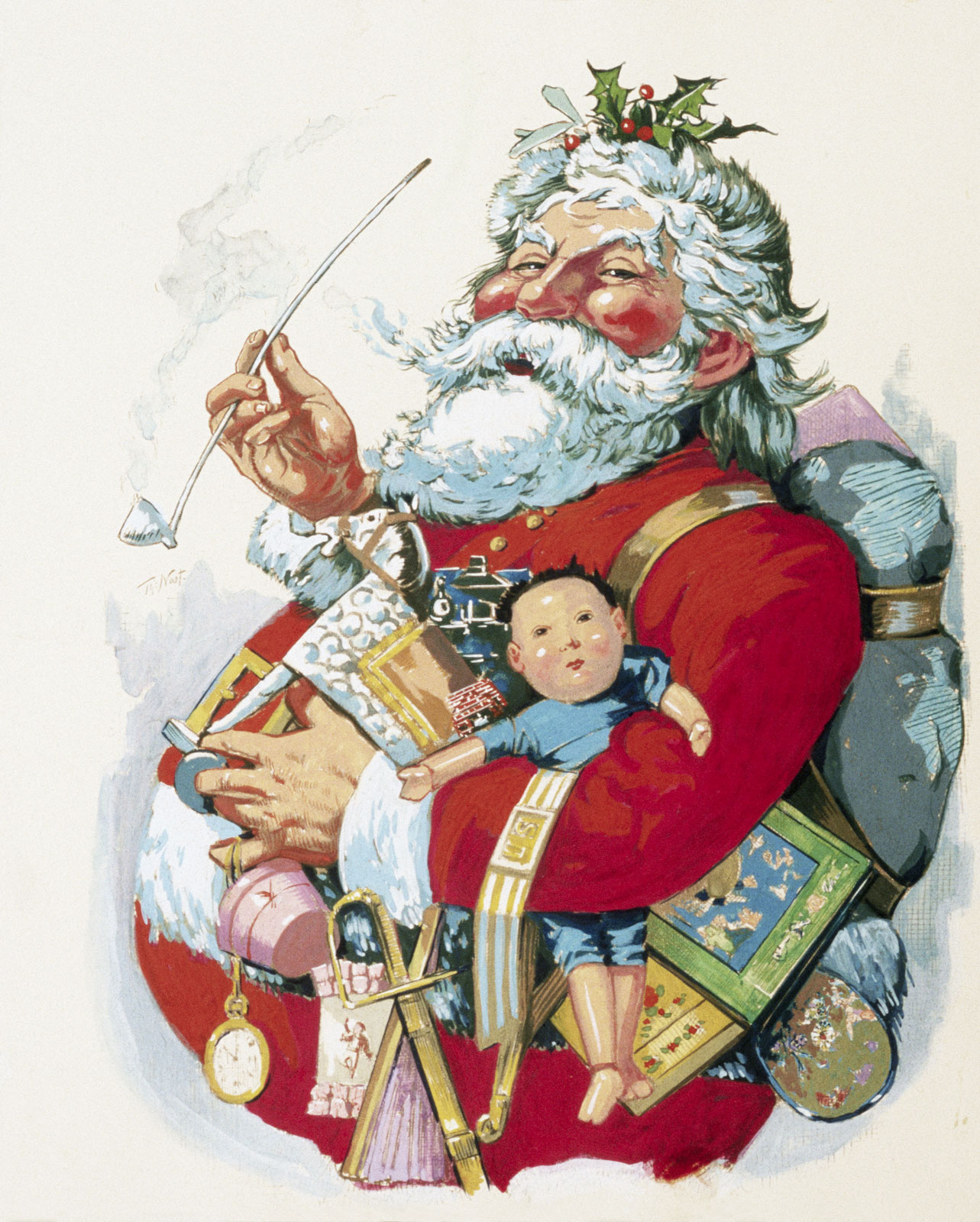 1863 Illustration by Thomas Nest
The figure of Santa Claus is a beloved part of Christmas celebrations around the world, but his origins are steeped in history, legend, and cultural variations. From St. Nicholas, a Christian bishop known for his generosity, to the jolly figure we recognize today, Santa has evolved across centuries and continents. Let’s take a look at the story of Santa Claus, how he started, and how different countries view him.
The Origins of St. Nicholas
The roots of Santa Claus can be traced back to the 4th century, with St. Nicholas, a bishop in Myra (modern-day Turkey). Known for his kindness and generosity, St. Nicholas became famous for secretly giving gifts to those in need. One of the most popular stories about him tells of how he secretly provided dowries for three poor sisters, saving them from a life of hardship.
St. Nicholas’s feast day, December 6, was celebrated by the faithful, and over time, his legacy of gift-giving and goodwill spread throughout Europe. He was known as "Sinterklaas" in the Netherlands, a name that would later evolve into the American “Santa Claus.”
Santa’s Transformation in America
In the United States, Santa Claus underwent significant transformations in the 19th century. Dutch settlers brought the story of Sinterklaas with them to New York, where it was adapted by writers and artists. The 1823 poem A Visit from St. Nicholas (commonly known as The Night Before Christmas) played a major role in shaping the image of Santa Claus. It described Santa as a jolly, plump man who travels on a sleigh pulled by reindeer, entering homes through chimneys to deliver gifts.
In the 1930s, the Coca-Cola Company helped solidify the modern image of Santa, featuring him in ads as a round, jolly man in a red suit with a white beard. This image quickly became ingrained in popular culture and remains the iconic portrayal of Santa Claus today.
Santa Around the World
While the modern image of Santa is widely recognized, many countries have their own versions of the beloved gift-giver, each with unique traditions and customs. Here's how a few cultures celebrate the man who brings holiday cheer:
1. Netherlands – Sinterklaas
In the Netherlands, Sinterklaas is celebrated on December 5 or 6, the eve of his feast day. He arrives by boat from Spain, accompanied by his helpers, known as Zwarte Piet (Black Peter). Sinterklaas is typically depicted as a tall, elderly man in a red bishop's robe, with a long white beard. Children leave shoes out to receive small gifts or candy, and Sinterklaas’s procession is a festive event with parades and songs.
2. Germany – Der Weihnachtsmann
In Germany, Santa Claus is known as Der Weihnachtsmann, or "Father Christmas." He is typically depicted in a similar red suit and beard, but the tradition of gift-giving is also closely tied to the Christkind, a mystical angel-like figure who brings gifts on Christmas Eve. In some regions of Germany, children celebrate both figures—Der Weihnachtsmann and the Christkind—depending on the local customs.
3. United Kingdom – Father Christmas
In the UK, the figure of Father Christmas has evolved alongside Santa Claus. While the two are often used interchangeably, Father Christmas has his roots in the English tradition of a jolly, bearded man who symbolizes good cheer and hospitality, rather than the gift-giver from the American tradition. However, in modern times, Father Christmas now closely resembles Santa Claus, particularly in his red suit and white beard.
4. Italy – La Befana
In Italy, the figure of La Befana, a kind, old woman, takes center stage on Epiphany (January 6). According to legend, La Befana was too busy to join the Wise Men on their journey to see the newborn Jesus, so she spends her time delivering gifts and sweets to children on the night of January 5. She is often depicted riding a broomstick, filling stockings with goodies for well-behaved children and coal for those who have misbehaved.
5. Spain – Los Reyes Magos
In Spain, the Reyes Magos (Three Wise Men) are the primary gift-bringers on January 6, during the celebration of Epiphany. Children leave out their shoes, expecting to receive gifts from the Kings who followed the star to visit the baby Jesus. The night before, the Kings parade through the streets in grand processions, throwing sweets and toys to the crowds.
Why Santa’s Story Endures
No matter where you live, the story of Santa Claus brings joy and wonder to the holiday season. Whether it's the anticipation of his arrival, the joy of giving, or the excitement of receiving gifts, Santa embodies the spirit of Christmas across cultures. What began as the tale of St. Nicholas has grown into a global celebration of kindness, joy, and family traditions.
No matter which holiday you celebrate this December, I wish you lots of joy and happiness during this special season!