Looking to buy, sell, or just peek at the market? You’re in the right place! We serve up the latest on home values, neighborhood vibes, and community happenings – plus weekly recipes, holiday fun, and spotlights on Texas cities so you can find the home that’s just right for you.

Don’t miss our monthly market updates for Texas, D/FW, and Houston, breaking down trends, stats, and insider info so you always know what’s hot (and what’s not).

We love the communities we serve and are here to help you find your perfect home with a story – because every home deserves a little character.

Questions? Ready to make a move?
👉 Get Jacque Today!

Dec. 18, 2024

The Charm and Challenges of Historical Homes
The Charm and Challenges of Historical Homes

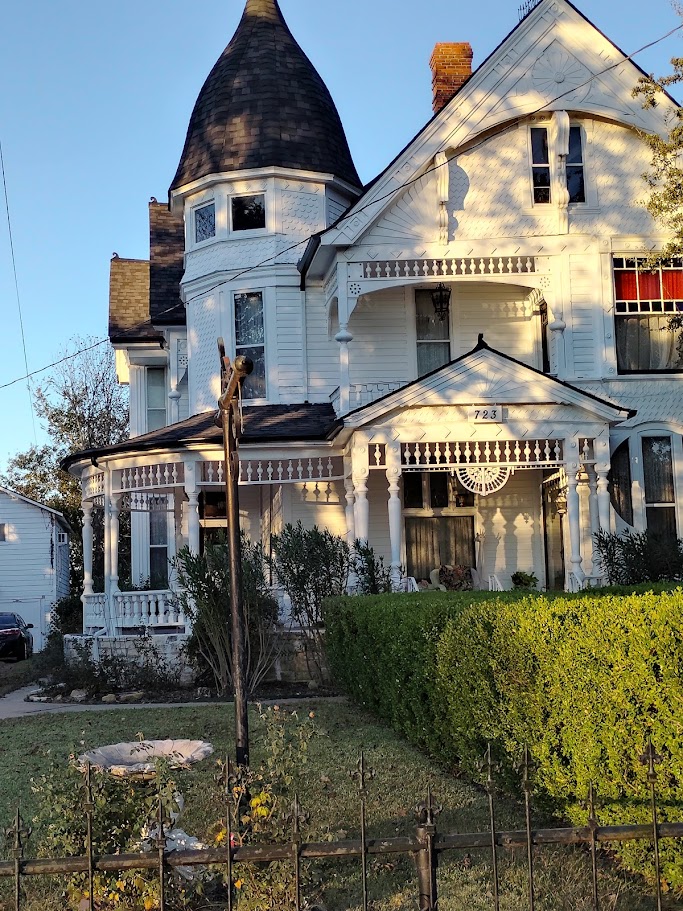
Owning a historical home is like stepping into a living piece of history. These homes exude character, tell unique stories, and often feature architectural details that are difficult to find in modern construction. However, the journey of owning one comes with its own set of challenges. Let’s dive into the ups and downs of historical homeownership and why not all historical homes deserve their "money pit" reputation.

The Benefits of Historical Homes

  1. Timeless Charm and Craftsmanship Historical homes often boast intricate woodwork, handcrafted moldings, and one-of-a-kind layouts. They were built in an era when artisanship reigned supreme, and this attention to detail makes them treasures for design enthusiasts.
  2. A Sense of History Living in a historical home means being part of a story that spans generations. From original hardwood floors to fireplaces that have warmed countless families, these homes connect you to the past in a deeply personal way.
  3. Unique Features No cookie-cutter designs here! Historical homes often have distinctive features like wraparound porches, clawfoot tubs, and pocket doors that make them truly stand out.
  4. Community and Preservation Many neighborhoods with historical homes foster a strong sense of community, with residents sharing a passion for preserving their area's charm and heritage.

The Challenges to Consider

  1. Higher Insurance Costs Insurance for historical homes can be more expensive due to the potential cost of restoring unique architectural features or using period-appropriate materials in case of damage.
  2. Renovation and Maintenance Rules Homes listed on historical registers or located in designated historical districts often come with strict regulations. These may include:
    • Rebuilding Restrictions: If damage occurs, repairs must often adhere to original designs and materials.
    • Paint Colors: Some districts regulate paint colors to preserve the home’s historical accuracy.
  3. Modernization Costs Updating electrical systems, plumbing, or insulation in a historical home can be costly. However, these upgrades often increase the home’s comfort and value.
  4. Ongoing Maintenance Maintaining a historical home requires more effort, as older materials and systems need careful attention to ensure their longevity.

Debunking the "Money Pit" Myth

While some historical homes require significant investment, not all are financial burdens. Many homeowners find that the benefits outweigh the costs, especially with careful planning. Investing in routine maintenance and understanding local regulations can make owning a historical home an enjoyable and rewarding experience.


Is a Historical Home Right for You?
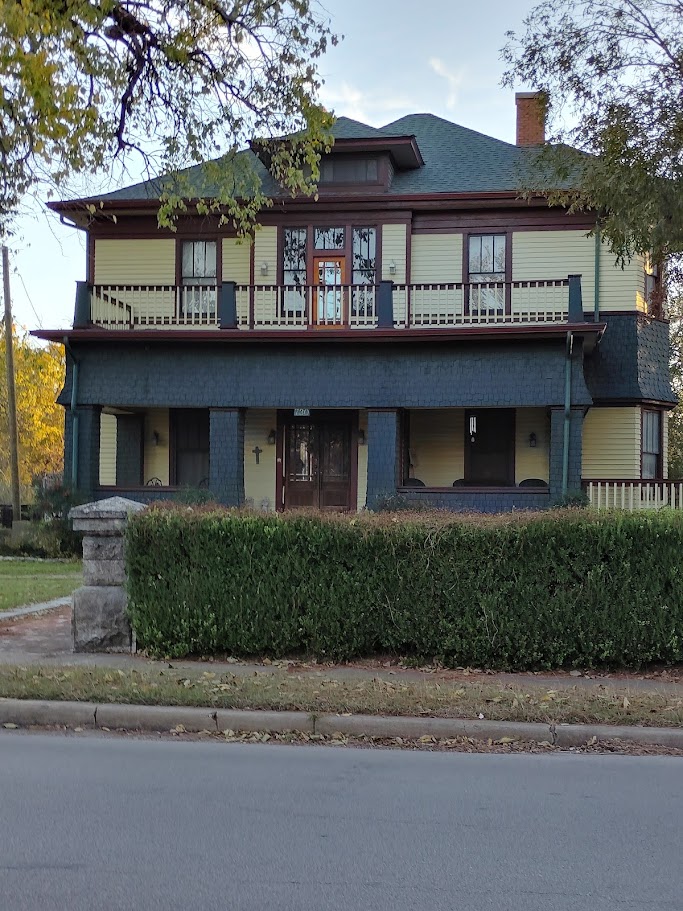


If you’re captivated by the idea of owning a home with character and charm, a historical home could be your perfect match. Just be sure to:

  • Do Your Research: Understand local historical designations and associated responsibilities.
  • Budget for Repairs: Factor in higher maintenance and insurance costs.
  • Connect with Experts: Work with contractors and insurers familiar with historical properties.

Owning a historical home isn’t just about living in a house—it’s about preserving a piece of the past while creating your future. With the right mindset and preparation, your dream historical home can become your dream reality.


Considering a historical home? A knowledgeable real estate agent can help guide you through the process. If you’re ready to explore the possibilities, feel free to reach out to me—I’d love to help you find the perfect home with a story.


Posted in Buyers Info
Dec. 16, 2024

November 2024 Texas Real Estate Market Update

November 2024 Texas Real Estate Market Update

The Texas real estate market in November 2024 continues to show growth and resilience, despite seasonal slowdowns often associated with the holidays. Here’s an in-depth look at the latest trends and stats that define the market this month:


Key Highlights

  • Median Price: The median home price rose to $333,000, a 2.5% year-over-year (YoY) increase. This steady appreciation reflects sustained demand across the state.
  • Closed Sales: 24,891 homes were sold, marking a significant 8.8% YoY increase.
  • Active Listings: The inventory saw a sharp rise to 126,437 active listings, up by 25.4% YoY. With 4.6 months of inventory available, buyers have more options compared to the tight market conditions of previous years.
  • Days on Market: Homes stayed on the market for an average of 63 days, which is 8 days longer than November 2023. This slight cooling aligns with increasing inventory levels.

Market Trends

  1. Balanced Market Emerging: The increase in inventory and extended days on market indicate a gradual shift toward a balanced market. While sellers are seeing competitive offers, buyers now have more leverage and time to evaluate their options.

  2. Price Segmentation:

    • The most active price range was $100,000–$199,000, representing 27.7% of all transactions.
    • Homes priced between $200,000–$299,000 followed closely, contributing 24.3% of sales.
    • Luxury homes over $1 million accounted for a smaller share at 4.0%, though demand in this segment remains steady.
  3. Valuation Metrics:

    • The median price per square foot increased slightly to $173.17 (up 0.7% YoY), indicating stable property value appreciation.
    • The typical home sold was built in 2007 and measured around 1,953 square feet.

Opportunities for Both Buyers and Sellers

  • For Buyers: With more inventory on the market, now is an excellent time to shop for homes. Extended days on market may offer opportunities to negotiate better deals, especially in higher price ranges.

  • For Sellers: While competition is rising, well-priced homes in desirable areas are still moving quickly. Pricing competitively and ensuring your home is market-ready can help you stand out in this shifting landscape.


Texas real estate continues to thrive, showcasing the state’s robust housing market fundamentals. Whether you're buying or selling, this season brings opportunities to make informed decisions in a market that is steadily moving toward balance.

Thinking about your next move? Contact me to discuss your real estate goals today!

#getjacque #increalty #txrealestate

Posted in Market Updates
Dec. 12, 2024

Why Today’s Housing Market is Not 2008: Why There’s No Need to Fear Foreclosures

Why Today’s Housing Market is Not 2008: Why There’s No Need to Fear Foreclosures 🏡📉

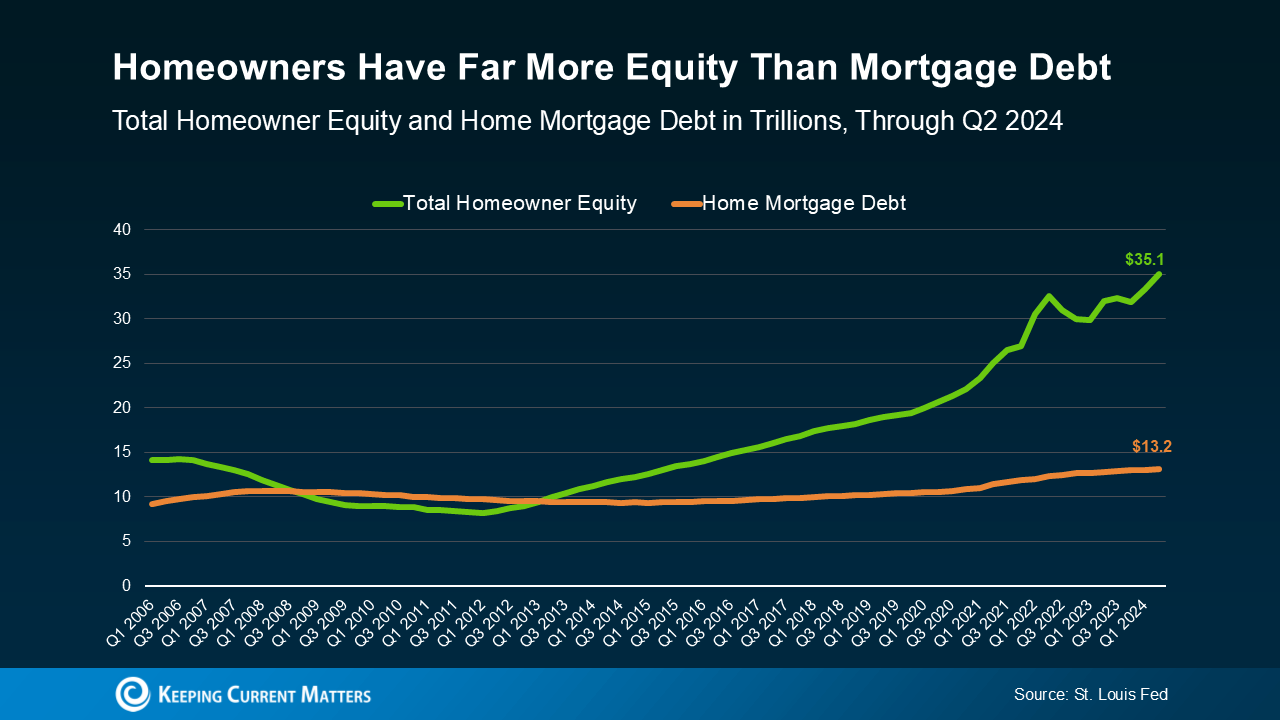
You may have heard people talking about the potential for a housing bubble, but here’s the truth—today’s market is not like it was back in 2008. One of the main reasons why we’re not heading toward a foreclosure crisis is because homeowners today have a LOT more equity than they did during the last housing bubble.

Unlike in 2008, where many homeowners owed more on their mortgage than their home was worth (also known as being “underwater”), today’s homeowners are sitting on a lot of equity. That means if someone struggles to make their mortgage payments, they have more options—they could sell their home and still come out ahead thanks to the equity they’ve built up. Even if home values dip, the majority of homeowners will still have a cushion of equity to fall back on.

More Equity = Less Foreclosure Risk

Did you know that, according to the St. Louis Fed, total homeowner equity is nearly three times higher than total mortgage debt? This is a huge difference compared to 2008 when so many homeowners had little to no equity, leaving them with few options other than foreclosure. With high equity, homeowners are in a much stronger position today.

So, even if home prices dip, most homeowners today still have plenty of equity to avoid the kind of distress we saw during the last housing crisis.

Delinquency Rates Are Still Near Historic Lows

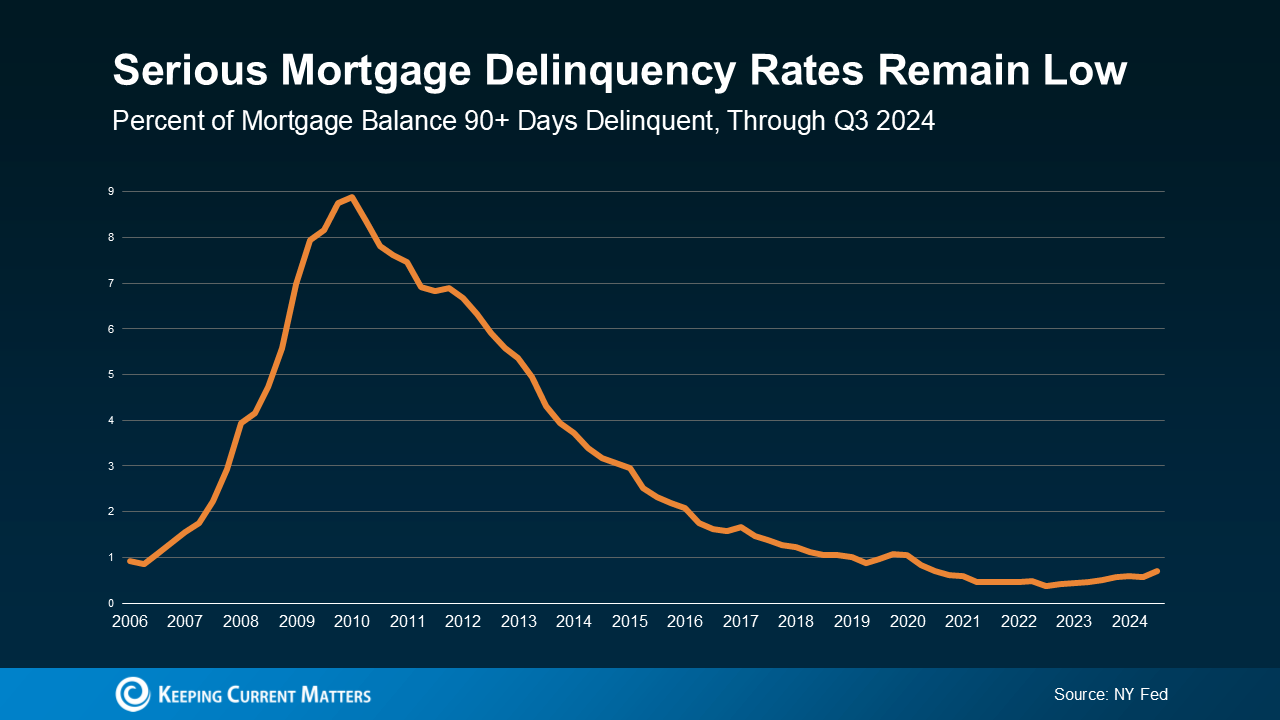
Another big factor to consider is that delinquency rates (the number of mortgage payments more than 90 days late) are still at historic lows. Thanks to various loan assistance programs and options available to homeowners who face temporary hardships, it’s easier for homeowners to avoid foreclosure. These programs help homeowners get back on track without having to lose their homes.

As Marina Walsh, VP of Industry Analysis at the Mortgage Bankers Association (MBA) puts it, “Servicers are helping at-risk homeowners avoid foreclosures through loan workout options that can mitigate temporary distress.”

Low Unemployment Helps Keep the Market Stable

When people have stable jobs, they’re in a better position to make their mortgage payments, which is why low unemployment is another positive sign for the housing market. With the current unemployment rate being so low, more people are able to afford their homes, which reduces the risk of foreclosures. Back in 2008, high unemployment rates contributed to a wave of foreclosures, but we’re in a much stronger economic position today.

Bottom Line: No Need to Worry

While mortgage debt is higher than ever, homeowners today are in a much better financial position than they were in 2008. There’s no need to fear a wave of foreclosures or distressed sales like we saw after the housing crash. Thanks to higher equity, low unemployment, and various support systems in place, today’s homeowners are better equipped to handle tough times without losing their homes.

If you’re wondering how this all affects your home search or sale, feel free to reach out! I’m here to help guide you through the market and answer any questions you may have.

#getjacque #increalty #txrealestate #mortgagedebt #homeowners #housingmarket #realestateadvice #texashomes


Dec. 11, 2024

Fireplace or No Fireplace: Which Is Right for Your Home?

Fireplace or No Fireplace: Which Is Right for Your Home? 🔥🏡


When you’re buying or selling a home in Texas, one common question is whether to go for a fireplace or skip it altogether. While fireplaces can add charm and warmth, they’re not always a necessity, especially in our milder climate. So, let’s break down the pros and cons of having a fireplace to help you decide if it’s right for you!


The Pros of Having a Fireplace

  1. A Cozy Ambiance
    Nothing says cozy like the crackling of a fire on a chilly night. Even in Texas winters, a fireplace can transform your living room into a welcoming haven.

  2. Increased Home Value
    A well-placed, functional fireplace can make your home more desirable to buyers, especially in cooler regions or areas where fireplaces are a luxury.

  3. Adds Character
    Whether traditional or modern, fireplaces often become the focal point of a room, adding a unique touch to your home’s decor.

  4. Energy Efficiency (in Certain Cases)
    In homes with poor insulation, a wood or gas-burning fireplace can provide a supplementary heat source, reducing reliance on central heating.


The Cons of Having a Fireplace

  1. Maintenance
    Fireplaces require regular maintenance. Chimney cleaning, inspections, and ensuring everything is in working order can be time-consuming and costly.

  2. Space Considerations
    Fireplaces take up space, and they may limit furniture arrangements or make certain rooms feel smaller.

  3. Higher Energy Bills
    While fireplaces can be cozy, they’re not always efficient. Depending on the type, they might not heat an entire house and could even increase your energy costs if not used wisely.

  4. Safety Concerns
    Without proper care, fireplaces can pose safety risks, such as chimney fires or carbon monoxide exposure from gas models.


When to Skip the Fireplace

  1. Mild Climate
    If you’re in a region of Texas with mild winters, a fireplace may not be practical or necessary for your home.

  2. Small Spaces
    If you’re working with limited square footage, the space a fireplace occupies might be better used for storage or other functional elements.

  3. Energy Efficiency Concerns
    If you’re looking for a home that’s energy-efficient, fireplaces may not be the best option, especially if they’re older models.


Alternative Heating Options

If you’re thinking of skipping the fireplace but still want to keep your home cozy, consider:

  • Electric or gas-powered heaters that are portable and efficient.
  • Modern heating systems like radiant floor heating, which are great for maintaining warmth without the need for a bulky fireplace.

The Verdict: Fireplace or No Fireplace?

Ultimately, the choice depends on your personal preferences, your home's layout, and your local climate. If you love the aesthetic and ambiance of a fireplace, it can be a great addition to your home. However, if you’re more concerned with maintenance, energy efficiency, or space, you may be better off without one.

No matter your choice, it's important to weigh the pros and cons to ensure you're making the right decision for your lifestyle and home. Need help finding a home with (or without!) a fireplace? I’m here to guide you!

#getjacque #increalty #txrealestate #homebuyingtips #texashomes #fireplacevibes #homedecorideas #realestateadvice #cozyhome

Posted in Buyers Info
Dec. 10, 2024

Spotlight on Texas Homeowners Associations: The Good, the Bad, and the Ugly

 Spotlight on Texas Homeowners Associations: The Good, the Bad, and the Ugly              


   When you buy a home in Texas, there’s a good chance it comes with membership in a Homeowners Association (HOA). While HOAs are designed to maintain community standards and protect property values, the experience can vary greatly. Let’s take a closer look at the good, the bad, and the downright ugly sides of living in an HOA community.


The Good 🌟

1.      Well-Maintained Communities
HOAs often ensure that common areas, parks, and amenities like pools or clubhouses are clean and well-maintained, keeping the neighborhood attractive.

2.      Increased Property Values
By enforcing standards for lawn care, exterior home maintenance, and overall aesthetics, HOAs can help maintain or even increase property values over time.

3.      Amenities Galore
Many Texas HOAs offer amenities such as walking trails, tennis courts, and community events, creating a sense of belonging among neighbors.

4.      Dispute Resolution
HOAs can mediate disputes between neighbors, whether it’s about noise complaints, property boundaries, or other issues, helping avoid unnecessary conflict.


The Bad ⚠️

1.      Strict Rules
HOAs often have detailed guidelines about landscaping, paint colors, and even holiday decorations. While this ensures uniformity, it can feel restrictive to homeowners who want creative freedom.

2.      Monthly or Annual Fees
HOA fees can add up, and unexpected assessments for repairs or upgrades might strain your budget.

3.      Limited Autonomy
From parking restrictions to pet policies, HOAs can impose rules that limit how you enjoy your property.


The Ugly 😬

1.      Overreach and Power Struggles
Some HOAs gain a reputation for being overly strict or for board members wielding too much authority, leading to conflicts with homeowners.

2.      Legal Battles
Disputes over violations or unpaid fees can escalate to legal action, costing both the homeowner and the HOA time and money.

3.      Unequal Enforcement
In some cases, HOAs may apply rules inconsistently, leading to tension and accusations of favoritism.


Tips for Navigating HOAs in Texas

·         Read the Fine Print
Before buying a home, carefully review the HOA’s bylaws, fees, and rules to ensure they align with your lifestyle.

·         Attend HOA Meetings
Get involved to stay informed about decisions affecting your community and voice your opinions on proposed changes.

·         Build Relationships
Knowing your HOA board members and neighbors can make it easier to address concerns and work together on solutions.

·         Stay Proactive
If you disagree with a rule, explore how to petition for changes rather than ignoring it or letting issues escalate.


While HOAs can bring many benefits, they aren’t a fit for everyone. Understanding the potential challenges—and how to navigate them—can make your experience in an HOA community as smooth as possible.

What’s your take on living in an HOA? Let’s chat about finding a home that fits your needs—rules included!

#getjacque #increalty #txrealestate #homeownershiptips #texashomes #realestatetips #HOAprosandcons #neighborhoodliving

Posted in Buyers Info
Dec. 5, 2024

Top 10 Instagrammable Homes in Texas

Top 10 Instagrammable Homes in Texas 🏡


Texas is known for its big skies, sprawling landscapes, and stunning homes that blend charm, elegance, and a touch of southern flair. Whether you’re scrolling for inspiration or planning a real estate photoshoot, here are 10 of the most Instagrammable homes in Texas that deserve a spot on your feed:

1. The Modern Hill Country Estate

Sleek, minimalist designs with glass walls, infinity pools, and views of the rolling Texas hills. Perfect for those clean, modern vibes.

2. Magnolia-Style Farmhouses

Think white-washed exteriors, cozy porches, and black-trimmed windows straight out of a Joanna Gaines dream.

3. Historic Victorian Homes in Galveston

Intricate details, pastel hues, and a nostalgic charm—these homes look like they’re pulled from a storybook.

4. Dallas High-Rise Penthouses

With floor-to-ceiling windows showcasing the Dallas skyline, these homes are luxury meets urban chic.

5. Spanish Colonial Villas

Found across cities like San Antonio and Austin, these homes feature terracotta roofs, courtyards, and romantic arches that scream “timeless beauty.”

6. Lakefront Homes in Walden on the Lake

Nothing beats sunrise views over the water, docks for boating, and luxurious outdoor spaces perfect for capturing tranquil vibes.

7. Barndominiums

This Texan trend blends rustic barns with modern interiors, offering a unique aesthetic that stands out in any feed.

8. Mid-Century Modern Gems

These Austin and Houston classics boast clean lines, open spaces, and bold architecture that’s both vintage and trendy.

9. Lavish Ranch Homes

Think sprawling acreage, grand entrances, and wrap-around porches with rocking chairs and sunsets as the backdrop.

10. Colorful Bungalows in Houston’s Heights District

Pops of color, unique architecture, and eclectic vibes make these homes Insta-famous.

Pro Tips for the Perfect Shot

  • Timing is Everything: Capture photos during golden hour for soft, flattering lighting.
  • Angles Matter: Highlight architectural details, natural landscapes, or unique textures.
  • Accessorize: Use props like a cozy blanket, stylish furniture, or even your dog 🐕 to make the space feel lived-in and relatable.

Which of these homes would you love to see in person? Let me help you find your Instagram-worthy dream home! 📸

#getjacque #increalty #txrealestate #instagramworthyhomes #dreamhomegoals #texashomes #realestateaesthetic #homedecorideas #luxuryhomes #texasliving

Posted in Buyers Info
Dec. 4, 2024

Understanding Bridge Loans: Pros and Cons for Homebuyers and Sellers

When navigating the dynamic world of real estate, timing is everything. Whether you're upgrading to your dream home or downsizing, you may face the challenge of needing to buy a new home before selling your current one. This is where bridge loans can come in handy. But what exactly are they, and should you consider one? Let’s break it down.

What Is a Bridge Loan?

A bridge loan is a short-term financing option designed to "bridge" the gap between the sale of your current home and the purchase of a new one. These loans provide immediate access to funds for a down payment or to cover dual mortgage payments, making it easier to secure your new property before your existing one sells.

The Pros of Bridge Loans

  1. Fast Access to Funds
    A bridge loan offers quick financial relief, helping you secure your next home without waiting for your current home to sell.
  2. Competitive Edge in a Seller’s Market
    With a bridge loan, you can make a non-contingent offer, making you a more attractive buyer in competitive markets.
  3. Flexibility in Timing
    If your home sale is delayed, you won’t lose out on purchasing your next home due to lack of funds.

The Cons of Bridge Loans

  1. Higher Interest Rates
    Because bridge loans are short-term and often riskier for lenders, they typically come with higher interest rates than traditional loans.
  2. Costs Can Add Up
    Along with higher interest rates, bridge loans often involve fees, such as origination costs and appraisal fees.
  3. Repayment Pressure
    Bridge loans generally have a short repayment window, ranging from 6 to 12 months. If your current home doesn't sell quickly, you could face financial strain.
  4. Qualification Challenges
    Not all borrowers qualify for bridge loans. Lenders will evaluate your income, credit score, and equity in your current home to determine eligibility.

Is a Bridge Loan Right for You?

A bridge loan can be an excellent tool if:

  • You’re in a hot real estate market where homes sell quickly.
  • You need to buy your next home before your current one closes.
  • You have a solid financial plan to manage short-term debt.

However, if you’re uncomfortable with higher interest rates or uncertain about your home’s sale timeline, it might be better to explore other options, like negotiating a rent-back agreement with the buyer of your current home or using a home equity line of credit (HELOC).

Final Thoughts

Bridge loans are not a one-size-fits-all solution, but they can be a lifesaver in the right circumstances. Before committing, weigh the costs and benefits, and consult with your lender to see if this option aligns with your goals.

Have questions about how a bridge loan could work for your real estate journey? Let’s connect and find the best strategy for you! I have a great lender for you to talk to.

#getjacque #increalty #txrealestate #realestatefinance #homebuyingtips #bridgeloans #realestatesolutions #dreamhomegoals

Posted in Seller Info
Dec. 3, 2024

The Joy of Giving: Why it feels so good

The Joy of Giving: Why It Feels So Good (and Why It’s Not About the Amount)

As the holiday season approaches, we often hear the phrase, “It’s better to give than to receive.” But have you ever wondered why giving feels so rewarding? Science and life experiences alike point to the fact that giving, in all its forms, can bring unparalleled joy—not just to the receiver, but to the giver as well.

Giving is Good for the Heart

When you give, whether it’s a thoughtful gift, a helping hand, or even a listening ear, your brain releases “feel-good” chemicals like dopamine and oxytocin. These hormones are responsible for feelings of happiness and connection. In fact, studies show that acts of generosity can reduce stress, boost your mood, and even improve your physical health.

Time: The Greatest Gift of All

While financial contributions and physical gifts are meaningful, one of the most impactful things you can give is your time. Volunteering, helping a friend, or simply being present for someone in need creates lasting memories and relationships. Time is a non-renewable resource, and giving it freely shows that you value the person or cause enough to share one of your most precious assets.

It’s Not About the Amount

You don’t need a big budget to make a difference. Sometimes, the smallest gestures have the most significant impact. A handwritten note, a kind word, or an hour spent helping someone can be priceless. It’s the intention and thought behind your actions that truly matter.

The Ripple Effect of Giving

Giving has a way of creating a ripple effect. When you show generosity, it often inspires others to do the same. Imagine the impact if one act of kindness sparked a chain reaction throughout your community.

How to Give This Season

  • Volunteer Your Time: Find a local organization or cause that aligns with your passions.
  • Share Your Skills: Offer to help someone with something you’re good at, like cooking, tutoring, or home repairs.
  • Be Present: Call a friend who needs support, or spend quality time with loved ones without distractions.
  • Random Acts of Kindness: Pay for someone’s coffee, donate gently used items, or leave an encouraging note for a stranger.

In giving, we discover that the joy we experience is a reflection of the connections we create and the positive impact we leave behind. So this season, give generously—not necessarily with your wallet, but with your heart and your time. You might just find that the best gift you receive is the joy of giving itself.    Have a blessed and joyful holiday season.


Posted in Holiday
Dec. 3, 2024

Texas Real Estate Market Update: October 2025

Texas Real Estate Market Update: October 2025


The Texas real estate market continues to showcase resilience and growth, even amidst evolving economic conditions. Reflecting on the trends from October 2024, here’s a closer look at the key metrics shaping the market today:

Key Highlights from October 2024

  • Median Home Price: $335,000, marking a 1.5% increase year-over-year (YoY).
  • Closed Sales: 27,405 transactions, a robust 11% YoY growth.
  • Active Listings: 129,717, up 27.8% YoY, signaling more inventory for buyers.
  • Months of Inventory: 4.8 months, an increase of 1.1 months YoY.

What’s Driving the Market?

  1. Rising Inventory Levels
    The notable increase in active listings reflects a more balanced market. Buyers now have more options compared to the tighter inventory seen in prior years.

  2. Price Appreciation
    While prices continue to rise, the 1.5% YoY growth is a more moderate pace compared to the double-digit surges of recent years. This suggests the market is stabilizing, providing opportunities for both buyers and sellers.

  3. Extended Days on Market
    Homes are spending an average of 61 days on the market—8 days longer than October 2023. This could indicate more cautious buyer behavior or the impact of higher inventory levels.

What This Means for Buyers and Sellers

  • For Buyers:
    More inventory and slightly slower price growth mean there’s room to explore options and potentially negotiate. However, staying prepared with financing is crucial, as demand remains strong.

  • For Sellers:
    While homes are selling, the longer time on the market underscores the importance of competitive pricing and strategic marketing to attract buyers.

Price Distribution

Here’s how sales break down by price range, offering insights into market activity across segments:

  • $100K-$199K: 26.6%
  • $200K-$299K: 23.8%
  • $300K-$399K: 13.1%
  • $500K-$749K: 14.5%
  • $1M+: 4.1%

Looking Ahead

As we step into the final months of 2025, the Texas market is poised to remain dynamic. Factors like interest rates, employment trends, and regional migration patterns will continue to shape the landscape.

Whether you’re looking to buy, sell, or invest, understanding the market’s trajectory is key to making informed decisions. I’m here to guide you every step of the way. Let’s connect and discuss your real estate goals!

#getjacque #increalty #txrealestate

Posted in Market Updates
Nov. 28, 2024

Quick and Easy Thanksgiving Dessert: No-Bake Chocolate Oatmeal Cookies

Quick and Easy Thanksgiving Dessert: No-Bake Chocolate Oatmeal Cookies

Thanksgiving dinner is all about the turkey, stuffing, and mashed potatoes, but let’s not forget dessert! Sometimes, you need just one more thing to round out the feast—or maybe you forgot dessert altogether (it happens to the best of us!). Enter: No-Bake Chocolate Oatmeal Cookies.

This quick and easy dessert is a lifesaver when you’re short on time or oven space. With just a few pantry staples and no baking required, you can whip up a sweet treat that everyone will love.


Why No-Bake Cookies?

  • Time-Saving: They’re ready in minutes—no preheating or waiting for things to cool!
  • Oven-Free: If your oven is busy with the turkey or sides, these cookies don’t need any baking.
  • Crowd-Pleasing: Who doesn’t love chocolate and peanut butter together?

What You’ll Need

Here’s what you’ll need to make a batch of no-bake cookies:

  • 2 cups sugar
  • 1/2 cup unsalted butter
  • 1/2 cup milk
  • 1/4 cup cocoa powder
  • 1/2 cup peanut butter (creamy or chunky, your choice!)
  • 1 teaspoon vanilla extract
  • 3 cups quick oats

How to Make Them

  1. Combine Wet Ingredients: In a medium saucepan, combine sugar, butter, milk, and cocoa powder. Heat over medium heat, stirring occasionally, until the mixture comes to a rolling boil.
  2. Boil Briefly: Once boiling, let the mixture boil for 1 minute—this helps the cookies set properly.
  3. Mix It Up: Remove the saucepan from the heat and quickly stir in peanut butter and vanilla extract until smooth. Then, add the quick oats and mix well.
  4. Form the Cookies: Drop spoonfuls of the mixture onto wax paper or parchment paper.
  5. Let Them Set: Allow the cookies to cool and harden at room temperature for about 30 minutes.

Tips for Success

  • Timing is Key: Boil the mixture for exactly 1 minute. Too short, and the cookies won’t set; too long, and they’ll be dry.
  • Make Them Your Own: Add shredded coconut, chopped nuts, or mini chocolate chips for a personal touch.
  • Plan for Leftovers: These cookies store beautifully in an airtight container—if they last that long!

Perfect for Thanksgiving

Whether you’re hosting or attending a Thanksgiving dinner, these no-bake cookies are the perfect addition to the dessert table. They’re simple, delicious, and a great option if you need “just one more thing” to sweeten the holiday.

Happy Thanksgiving, and happy no-baking! 🍫🍪


Posted in Holiday, Recipes, TEXAS