Looking to buy, sell, or just peek at the market? You’re in the right place! We serve up the latest on home values, neighborhood vibes, and community happenings – plus weekly recipes, holiday fun, and spotlights on Texas cities so you can find the home that’s just right for you.

Don’t miss our monthly market updates for Texas, D/FW, and Houston, breaking down trends, stats, and insider info so you always know what’s hot (and what’s not).

We love the communities we serve and are here to help you find your perfect home with a story – because every home deserves a little character.

Questions? Ready to make a move?
👉 Get Jacque Today!

Nov. 6, 2024

Choosing the Right Builder for Your Dream Home

Chooseing the Right Builder for Your Dream Home!

Building a home is one of the most exciting—and sometimes daunting—experiences in real estate. Finding the right builder can make all the difference, transforming your vision into reality while ensuring a smooth, enjoyable process. Here’s what to consider when choosing a builder to bring your dream home to life.

1. Reputation Speaks Volumes

Reputation is everything in this industry! A builder with a strong track record and positive client experiences is usually a safe bet. Start by asking around—friends, family, and colleagues may have recommendations you can trust. For broader insights, check online reviews and even social media to see what people are saying. A little research here can give you confidence in your choice.

2. The Value of Experience

Like in many fields, experience matters. An experienced builder brings valuable insights, creative problem-solving skills, and a solid understanding of what it takes to deliver quality work. Experienced builders often know how to anticipate potential issues, keeping your project on track and on budget.

3. Communication is Key

Imagine this: a builder who keeps you informed, discusses costs transparently, and shares any potential challenges from the start. Sound ideal? It is! Open communication with your builder can help prevent surprises, manage expectations, and keep the process as stress-free as possible.

4. Quality Craftsmanship and Materials

The quality of your builder’s work will be your home’s foundation. Look for a builder who uses top-quality materials and demonstrates skilled craftsmanship. A beautiful home needs to be built to last, and quality construction is an investment that pays off in durability and peace of mind.

5. Trust and Comfort Level

You’re trusting this builder to create something deeply personal. Choose a builder you feel comfortable working with—someone who values your input, respects your budget, and genuinely listens to your ideas. They should also be able to guide you with expert advice, blending your vision with practical considerations.

6. Budget Matters

Know what you can spend and choose a builder who respects that budget. Review quotes carefully, and make sure the builder provides a comprehensive breakdown of costs. A reputable builder will be clear about what you’re paying for, helping you avoid surprises.

7. Design Compatibility

Each builder has their own style and approach. Look for a builder whose design vision aligns with yours. Whether you lean modern, classic, or somewhere in between, choosing a builder who gets your style will help bring out the best in your project.

8. Local Expertise

A builder with local experience knows the area, the regulations, and the unique challenges or benefits of building in your region. This knowledge can streamline the process and make navigating local requirements a breeze.

Ready to Find Your Builder?

Finding the right builder doesn’t have to be overwhelming. Start by grabbing your favorite Real Estate agent and  checking out local associations, real estate listings, or recommendations from people you trust. Many builders offer model home tours and website galleries that showcase their work—take advantage of these to see their craftsmanship firsthand. Remember, building your dream home should be as enjoyable as it is rewarding, so choose a builder who’s just as invested in your vision as you are.

Happy building! 🏡

Posted in Buyers Info
Nov. 5, 2024

Texas Real Estate Market Update: September 2024

Texas Real Estate Market Update: September 2024

The Texas real estate market has been evolving rapidly, and as of September 2024, we’re seeing some intriguing shifts. Whether you’re a buyer, seller, or investor, understanding these trends is essential to navigating the current landscape.

Inventory Levels Climbing In September, Texas had approximately 4.8 months of inventory, marking a significant increase compared to previous years. This level of inventory suggests we’re moving towards a more balanced market, though some areas may still lean slightly in favor of buyers or sellers. Increased inventory can be good news for buyers, as it provides more options and may ease the intense competition we’ve seen in recent years.

Median Home Price Holds Steady The median price of a home in Texas currently stands at around $339,000. While this price point is relatively stable, it highlights the enduring demand for Texas real estate. However, as inventory rises, buyers may see more negotiating power, especially for homes that have been on the market longer.

Closed Sales Down, Listings Up Closed sales have declined year-over-year, reflecting a cooling off from the hyperactive market Texas experienced during the pandemic years. On the other hand, listings have surged by 30% compared to last year. This uptick in listings means that more homeowners are looking to sell, possibly encouraged by still-strong property values and the desire to capitalize on previous gains.

What’s Next? Looking forward, these trends suggest Texas is entering a more stabilized real estate market. For sellers, setting realistic price expectations and preparing homes to stand out will be key strategies. Buyers, meanwhile, may find they have more options than in previous years and can negotiate from a more favorable position.

Contact your local Real Estate Agent (me) if you would like more information about your part of Texas!


Posted in Market Updates
Oct. 31, 2024

Haunted Houses and Disclosure in U.S. Real Estate: What Buyers and Sellers Need to Know

Haunted Houses and Disclosure in U.S. Real Estate: What Buyers and Sellers Need to Know

In the spirit of the season, let's dive into one of the more “spooky” aspects of real estate: haunted houses! Haunted homes have long held a unique place in American folklore, but when it comes to real estate, they introduce some interesting questions about disclosure, value, and property reputation. Let’s explore what sellers and buyers should know when dealing with potentially haunted homes.

1. Haunted Houses and Real Estate Disclosure Laws

In most U.S. states, sellers are required to disclose “material facts” about a property that could affect its value or desirability, but what about things that aren’t exactly material – like ghostly sightings or eerie noises? Disclosures around paranormal activity fall into a bit of a gray area. Legally speaking, haunted homes generally don’t have the same disclosure requirements as material defects, like roof damage or a leaky foundation. But some states have specific “stigmatized property” laws that deal with homes affected by criminal or psychologically distressing events, and haunting sometimes falls under that umbrella.

New York’s Infamous "Ghostbuster Ruling" One famous case, known as the “Ghostbuster Ruling” (Stambovsky v. Ackley, 1991), sets an interesting precedent. In this case, a buyer successfully sued the seller for not disclosing the home’s reputation as haunted. The court ruled in favor of the buyer, not because they proved the house was haunted but because the seller had publicly embraced the home’s ghostly reputation, effectively stigmatizing it. This ruling taught us that if a haunting is public knowledge, disclosure may be in a seller’s best interest to avoid future disputes.

What to Keep in Mind:

  • Be Aware of State Laws: Some states, such as California and New Jersey, have specific disclosure laws for "stigmatized" properties.
  • Seller Honesty: If the home's haunted history is well known, sellers may consider sharing it upfront to avoid future conflicts.

2. The Impact of a Haunted History on Home Values

Does a haunted reputation increase or decrease a home’s value? The answer varies widely. While some buyers may be spooked by ghost stories, others may find them intriguing, even adding to the property’s appeal. In fact, some haunted houses with long-standing reputations have even been marketed with their haunted past as a feature, drawing in buyers who love the idea of owning a piece of supernatural history.

For example, in areas known for tourism or ghost tours, homes with alleged hauntings can attract curious visitors, turning a stigma into a unique selling point. However, for the average buyer, a haunted reputation might be a dealbreaker, potentially reducing the buyer pool.

What to Consider:

  • Niche Appeal: Marketing a haunted home might attract specific buyers who are fascinated by the paranormal.
  • Property Stigma: While some buyers may be willing to overlook or embrace a haunting, others may seek price reductions or simply move on to other options.

3. How to Handle Paranormal Activity as a Buyer

If you’re in the market for a home and the topic of ghosts comes up, you’re not alone! Many buyers have concerns or questions about a property’s history, and some states have resources to help you get information on any notable events that may have taken place on the property.

Key Steps:

  • Ask Questions: It’s perfectly reasonable to ask the listing agent about any “unusual” history. They may not be required to disclose every eerie detail, but in some cases, the seller may choose to be forthcoming.
  • Do Your Own Research: Check public records, chat with neighbors, or even consider a professional “house clearing” if the ghostly rumor mill has you feeling uneasy.

4. Embracing the Mystery – Or Not!

Whether or not you believe in ghosts, the idea of a haunted house certainly adds an extra layer of intrigue to the real estate process. Some buyers love the added character and mystique, while others prefer a “clean slate.” For sellers, it can be a challenge or an opportunity to embrace the unique history of their home.

In the end, whether it’s a haunted house or one with just a quirky reputation, it’s important for both buyers and sellers to feel comfortable and confident in their transaction. So, if you’re selling a property with a colorful history, a little transparency might just help find the perfect buyer—whether they come with a love for ghost stories or a healthy dose of skepticism!

Final Thoughts Selling or buying a haunted house is a unique experience, to say the least. Each buyer has different tolerances for the “unknown,” and each state has its own approach to disclosure requirements. If you’re considering selling or buying a property with a haunted history, feel free to reach out, and let’s talk about your options in navigating this unique, spirited process.

Oct. 26, 2024

Exploring the Benefits of Condos and Townhomes for First-Time Buyers

Exploring the Benefits of Condos and Townhomes for First-Time Buyers

If you're eager to jump into homeownership but feeling overwhelmed by the rising prices of single-family homes, it might be time to broaden your search to include condominiums (condos) and townhomes. These options often come with a lower price tag, allowing you to start building equity and enjoying the perks of homeownership sooner than you might think.

Why Consider a Condo or Townhome?

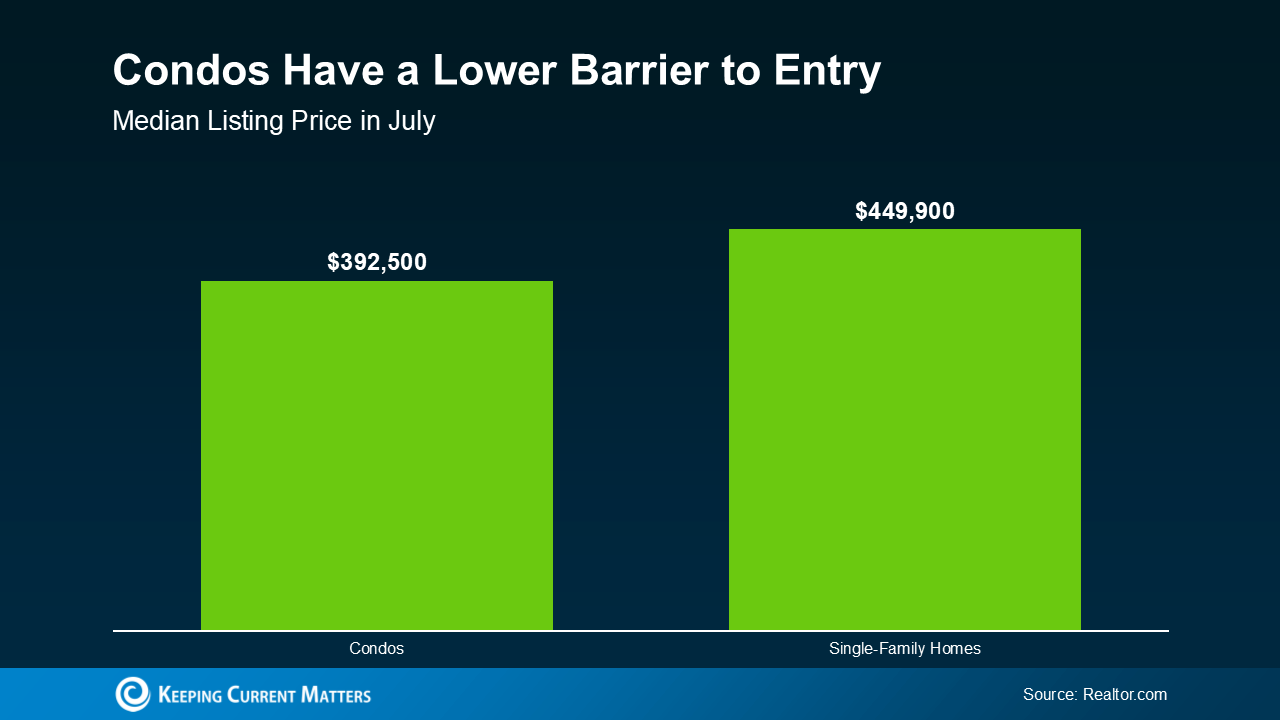
One of the biggest advantages of condos and townhomes is their affordability. Generally, these homes are smaller, which often translates to a smaller price point. According to the latest statistics from Realtor.com, condos typically have a lower asking price than their single-family counterparts. This can make a significant difference for first-time buyers looking to make their dream of owning a home a reality.

Additionally, builders are focusing more on these types of homes than ever before. The National Association of Home Builders (NAHB) reports that the share of townhomes being constructed is at an all-time high. This means a growing selection of options for buyers ready to explore their possibilities.

The Perks of Condo Living

Beyond affordability, living in a condo or townhome offers several appealing benefits, especially for first-time buyers:

  1. Building Equity: Purchasing a condo or townhome allows you to build equity as you make mortgage payments and as your property appreciates over time. This can be a great step toward future investments.

  2. Low Maintenance: If the thought of lawn care, snow shoveling, and roof repairs sounds daunting, a condo lifestyle might be perfect for you. Many condos come with maintenance included, freeing you from these chores.

  3. Amenities Galore: Many condo complexes offer fantastic amenities like pools, fitness centers, and community spaces, all without the burden of upkeep. Imagine enjoying a dip in the pool without having to worry about cleaning it!

  4. Community Feel: Living in close proximity to your neighbors fosters a sense of community. Many condo associations host events like barbecues and social gatherings, making it easier to connect with others.


Your First Home is Just the Beginning

It’s important to remember that your first home doesn’t have to be your forever home. Getting your foot in the door of homeownership is the key to building equity that can later assist you in purchasing a larger or different property if you desire.

Ultimately, choosing a condo or townhome is a lifestyle decision that can suit many different needs. If you think this might be the right path for you, consider reaching out to a local real estate agent who can provide guidance tailored to your situation.

Ready to Take the Next Step?

Are you excited to find a home that aligns with your goals? A condo or townhome could be the ideal choice for your first home purchase. Don’t hesitate—contact a local real estate agent today to start your search and explore the opportunities waiting for you!

Posted in Market Updates
Oct. 25, 2024

What to Expect from the Housing Market in 2025

What to Expect from the Housing Market in 2025

Curious about where the housing market is headed in 2025? Great news! Experts are sharing some promising forecasts, particularly around two critical factors that impact your buying or selling decisions: mortgage rates and home prices.

Mortgage Rates: A Positive Shift Ahead

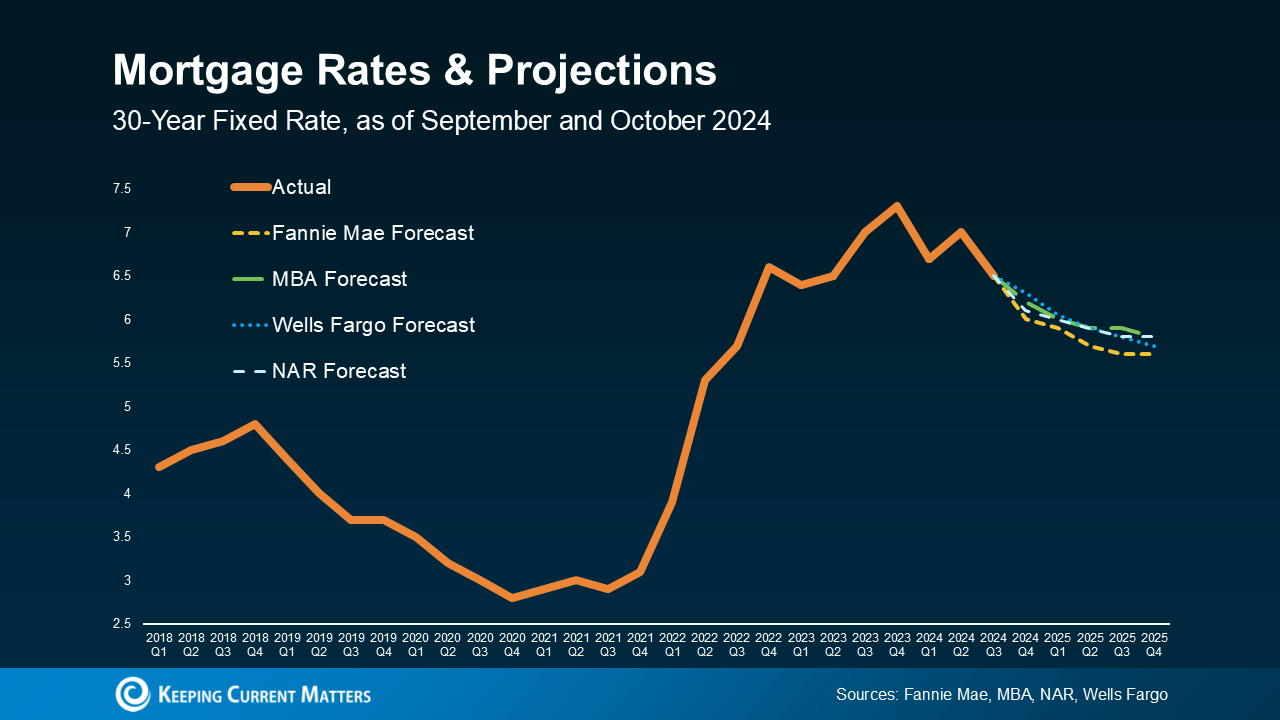
One of the biggest influences on your plans is mortgage rates. The forecast looks bright! After rising sharply in recent years, experts predict rates will gradually ease throughout 2025. While the decline might not be perfectly smooth, the overall trend is promising.

As rates decrease, your monthly mortgage payment will drop, giving you more flexibility in what you can afford when buying a home. This shift is likely to entice more buyers back into the market. According to Charlie Dougherty, Director and Senior Economist at Wells Fargo, “Lower financing costs will likely boost demand by pulling affordability-crunched buyers off of the sidelines.”

This means you might want to get ahead of the competition by staying informed about how these shifts in rates are impacting demand in your area.

Home Prices: Modest Growth on the Horizon

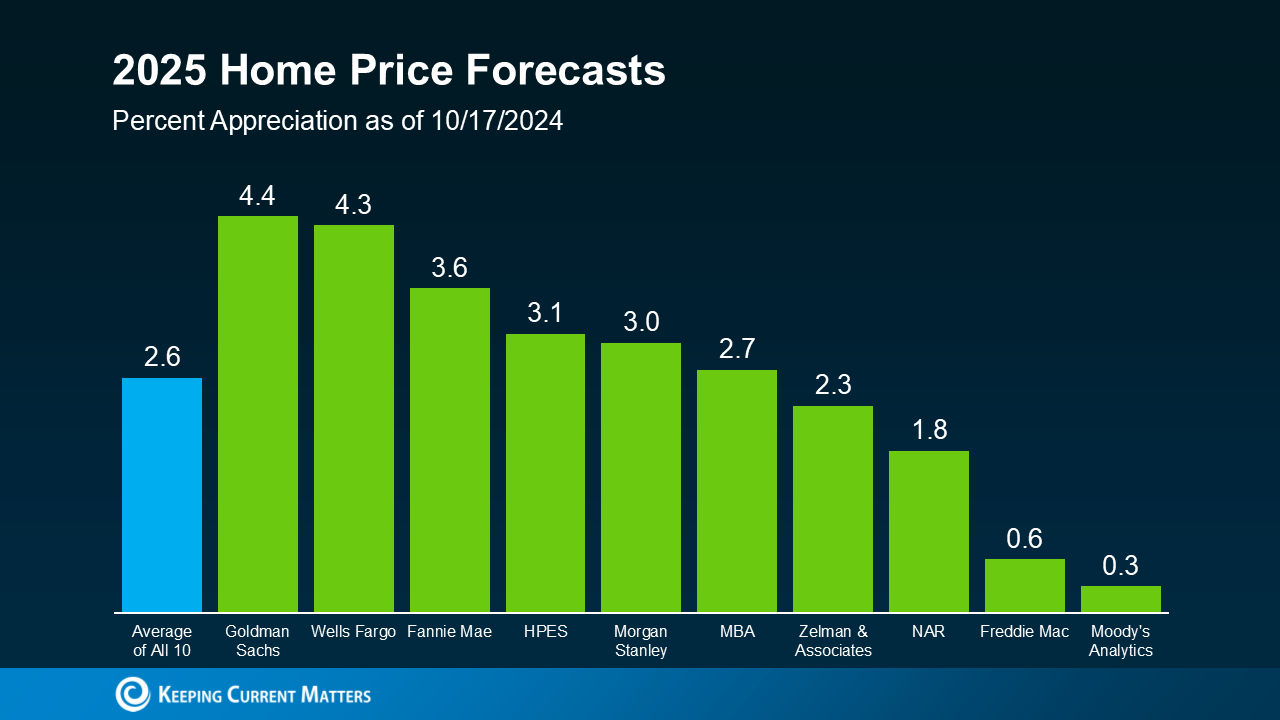
While mortgage rates are expected to decline, home prices are projected to rise—but at a much more manageable pace than we’ve seen in recent years. Experts anticipate an average growth of about 2.5% nationally in 2025. This is a significant change from the double-digit increases we experienced before!

Why are prices still rising? It all comes down to demand. As more buyers enter the market, demand increases, but so does supply as sellers feel less locked into their current rates. In markets with inventory still below normal, this could put upward pressure on prices. However, with more homes likely to hit the market, price growth should remain in check.

That said, national trends might not fully reflect what’s happening in your local market. Some regions could experience faster growth, while others might see slower gains or even slight declines. Lance Lambert, Co-Founder of ResiClub, notes, “Even if the average national home price forecast is correct, some regional markets could see mild declines, while others could still appreciate significantly.”


Bottom Line

With mortgage rates expected to ease and home prices projected to rise at a more moderate pace, 2025 is shaping up to be a favorable year for both buyers and sellers.

If you have questions about how these trends could impact your plans, connect with a local agent. They can help you navigate the market and make the most of the opportunities ahead!


Posted in Buyers Info
Oct. 24, 2024

Get Ahead: Why You Should Start Preparing to Sell Your Home Now

Get Ahead: Why You Should Start Preparing to Sell Your Home Now

If you’re thinking about selling your house in 2025, you might be tempted to put off preparations until next year. But here’s the thing: starting now can make all the difference. As Danielle Hale, Chief Economist at Realtor.com, points out, many sellers take longer than a month to get their homes ready. By getting a jump start, you’ll not only reduce stress but also set yourself up for success.

The Power of Early Preparation

When it comes to selling your home, first impressions are everything. A well-prepared home can attract more buyers and command a better price. By starting early, you give yourself the luxury of time to make thoughtful updates and repairs. Think of it this way: tackling one task at a time—like fixing that leaky faucet or sprucing up your landscaping—makes the whole process feel less overwhelming.

Rushing through repairs can lead to oversights that buyers will notice. As Realtor.com warns, if you move too fast, it could cost you time and money in the long run. You want your home to shine, and that takes time.

What to Focus On

Feeling ready to dive into that to-do list? Here are some key areas to prioritize:

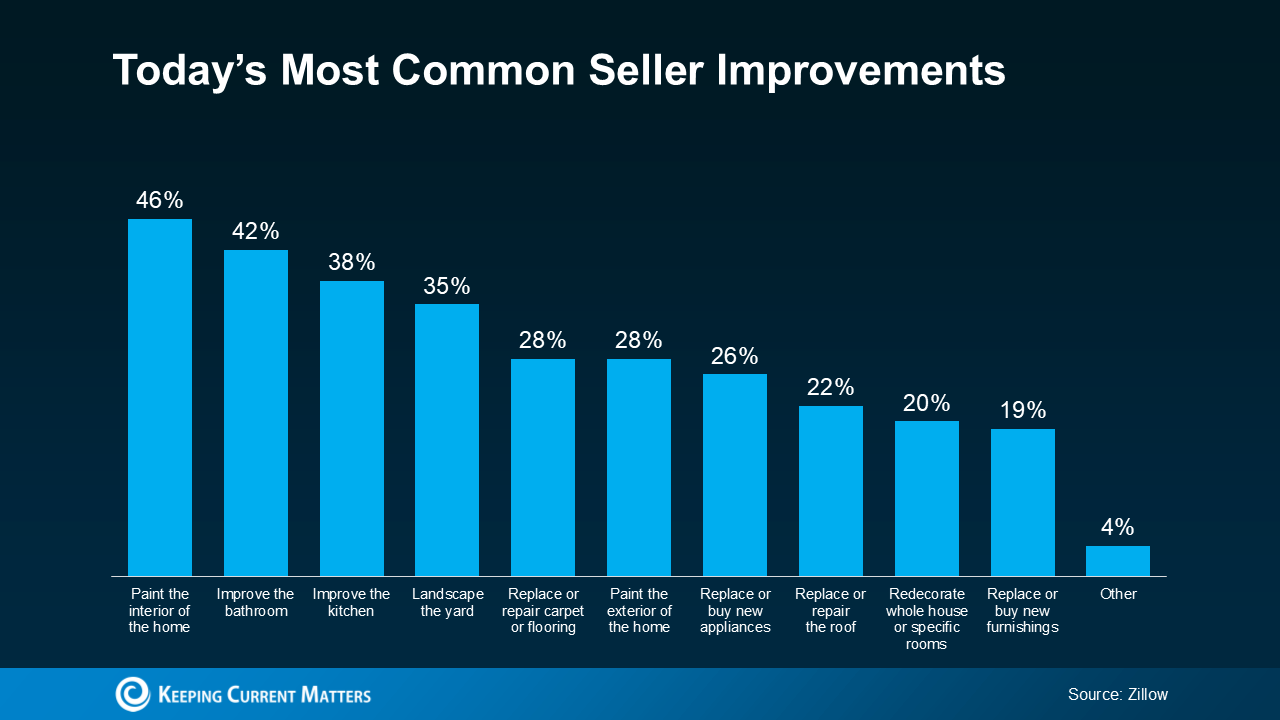
  1. Curb Appeal: First impressions count. Fresh landscaping, a well-maintained yard, and a polished front door can significantly boost your home’s attractiveness.

  2. Repairs: Address minor repairs that may be easy to overlook but can impact buyers’ perceptions—think squeaky doors and leaky faucets.

  3. Kitchens and Bathrooms: These rooms can make or break a sale. Focus on minor updates like new hardware or a fresh coat of paint to enhance their appeal without a full remodel.

Partner with a Local Agent

While the general advice is helpful, nothing beats the insight of a local agent. They understand what buyers in your area are looking for and can guide you on the renovations that will yield the highest return on your investment.

For example, if homes in your neighborhood are selling quickly with updated kitchens, your agent might suggest focusing your efforts there rather than on other areas that won’t pay off as much. They’ll also point out smaller details, like enhancing your yard with fresh mulch, that can make a big impact.

Final Thoughts

If selling your home is on your horizon, don’t wait until the last minute to get ready. Starting early allows you to approach the process with confidence and clarity.

Ready to tackle your to-do list but unsure where to begin? Connect with a local agent who can provide tailored advice to make your home shine.

Posted in Seller Info
Oct. 22, 2024

Protect Yourself from Wire and Escrow Fraud.

Ready to close?  Be sure to protect yourself from Wire and Escrow Fraud

With the increasing risks of wire and escrow fraud, here are some tips to help safeguard yourself:

Spotting Wire and Escrow Fraud

  • Verify Transfer Details: Always double-check wire transfer instructions by calling a trusted contact at a known phone number—not one provided in an email.
  • Watch for Red Flags: Be cautious of last-minute changes in payment details, unfamiliar email addresses, and any suspicious links or attachments.
  • Use Secure Communication: Make sure you're using encrypted channels or secure websites for financial transactions.

How to Avoid Fraud

  • Double-Check Everything: Always verify the authenticity of wire transfer or escrow instructions by calling your representative directly.
  • Secure Platforms Only: Stick to secure websites (look for HTTPS) and apps with strong security features for any financial activities.
  • Protect Your Information: Never share personal or financial details via email, especially with unverified contacts.

If You Suspect Fraud

  • Pause All Transactions: If anything feels off, stop the transaction immediately.
  • Contact Your Bank/Lender/Title Company/Real Estate Agent: Reach out right away—they can assist you in securing your account.
  • Report It: Notify local law enforcement and the Federal Trade Commission (FTC) by visiting reportfraud.ftc.gov.
  • Monitor Your Accounts: Regularly review your financial accounts for any unauthorized transactions.

Using these few steps will help you keep your transactions safe and secure. If you have any questions or concerns, be sure to reach out.

Posted in Buyers Info
Oct. 18, 2024

Moving with your Dog

Moving can be overwhelming, not just for us, but for our four-legged friends too. Dogs, especially, are creatures of habit, and when everything changes suddenly, it can throw them off in ways you might not expect. If you've noticed your dog acting out, seeming anxious, or just not their usual self, they’re likely feeling the effects of the move just as much as you are. Here’s how moving impacts dogs and, more importantly, what you can do to help them adjust.

Why Moving Can be hard on your Dog

Moving can be overwhelming, not just for us, but for our four-legged friends too. Dogs, especially, are creatures of habit, and when everything changes suddenly, it can throw them off in ways you might not expect. If you've noticed your dog acting out, seeming anxious, or just not their usual self, they’re likely feeling the effects of the move just as much as you are. Here’s how moving impacts dogs and, more importantly, what you can do to help them adjust.

1. Anxiety and Fear of the Unknown
Dogs are sensitive to changes in their environment. They pick up on all the little details—the furniture being packed, the new smells, and even your stress levels. When everything familiar disappears, it’s easy for them to feel unsettled. That’s when you may see nervous behaviors like pacing, whining, or even hiding.

2. Loss of Their Territory
A home is more than just a space to your dog—it’s their territory. Moving to a new home means they lose that sense of security. New surroundings can make them feel on edge until they’ve had time to adjust and re-establish a sense of comfort in the new space.

3. Increased Clinginess and Separation Anxiety
With so many changes, some dogs can develop separation anxiety, becoming extra clingy or refusing to let you out of their sight. Their usual confidence might waver as they worry about being left alone in an unfamiliar place.

4. Behavioral Changes
It’s not uncommon for a dog’s behavior to shift after a move. They may start barking more, acting more territorial, or even becoming withdrawn. This is just their way of processing the disruption to their routine.

5. Physical Symptoms of Stress
If your dog is really stressed, you might notice physical symptoms like loss of appetite, upset stomach, or disrupted sleep. It’s important to recognize these signs early so you can help them through the transition.

6. Picking Up on Your Stress
Let’s face it, moving is stressful for humans too. And dogs are masters at sensing our emotions. If you’re feeling frazzled, your dog will likely mirror those feelings, which can add to their anxiety.

Dogs That Might Struggle the Most

While all dogs can feel the effects of a move, some might find it harder than others. Older dogs, those with pre-existing health issues, or naturally anxious dogs tend to be more sensitive to big changes like relocating.

Helping Your Dog Settle In

Moving doesn’t have to be a nightmare for your dog. Here are a few things you can do to help them adjust smoothly:

  • Take Them to Visit the New House: If it’s possible, bring your dog to the new house a few times before the move. Let them explore and get used to the new smells so it’s not all brand new on moving day.

  • Stick to Their Routine: Even if your surroundings change, try to keep feeding times, walks, and playtime on schedule. A consistent routine will give your dog a sense of normalcy.

  • Reassure Them with Your Calm Presence: Your dog looks to you for cues. Staying calm and speaking in soothing tones can help them feel more secure. Give them extra attention and comfort during the transition.

  • Prepare for the Journey: Whether you're driving a few blocks or across the state, make sure your dog is comfortable and safe during the move. Use a travel crate or a secure car harness to help them feel secure during transit.

Bottom Line

Moves are tough, but with a little extra planning and care, you can help your dog adjust to their new home with minimal stress. Be patient—it takes time for them to feel comfortable in a new space. Keep an eye on their behavior, and don’t hesitate to reach out to your vet if their anxiety or stress doesn’t ease up.


At the end of the day, home is wherever you and your dog are together. With a bit of understanding and a lot of love, you can help them settle in and start making new happy memories in your new space.

Posted in Moving Information
Oct. 17, 2024

Checklist For getting your home ready to sell!

Getting your house ready to sell? Here are a few tips to help you prepare:

  • Make It Inviting: Create a warm and welcoming atmosphere for potential buyers.
  • Show It's Cared For: Keep up with maintenance and repairs to showcase a well-loved home.
  • Boost Curb Appeal: First impressions matter—enhance your home's exterior to attract more interest.

For specific advice to help your house stand out in your local market, feel free to reach out!


Posted in Seller Info
Oct. 16, 2024

Don't Forget About Closing Costs!

Ready to Buy a Home? Don’t Forget About Closing Costs! Here’s What You Need to Know

So, you’ve decided to buy a home—congrats! As you start the process, you’re probably focused on your down payment. But one expense that often catches people off guard is closing costs. Let’s make sure you’re prepared for them, so there are no surprises when you get to the closing table.

What Are Closing Costs?

Closing costs are the additional fees and payments you’ll need to make when finalizing your home purchase. They can vary based on the price of the home and your financing, but every buyer faces these costs. It’s important to budget for them upfront so they don’t come as a shock.

According to Freddie Mac, closing costs typically include:

  • Application fees
  • Credit report fees
  • Loan origination fees
  • Appraisal fees
  • Home inspection fees
  • Title insurance
  • Homeowners insurance
  • Survey fees
  • Attorney fees

Some of these are one-time expenses baked into your closing costs. Others, like homeowners’ insurance, are ongoing responsibilities that start with your first payment at closing.

How Much Are Closing Costs?

So, how much should you expect? According to Freddie Mac, closing costs usually range from 2% to 5% of the purchase price of your home.

For example, if you’re buying a home at today’s median price of $422,600, you could be looking at closing fees anywhere between $8,452 and $21,130. Keep in mind, this can vary depending on where you’re buying and the specific price of your home.

How To Lower Your Closing Costs

Now, you might be wondering if there’s a way to reduce those costs. Here are a few tips to help ease the load:

  • Negotiate with the Seller: In today’s market, homes are staying on the market a bit longer, which means sellers may be more willing to negotiate. You can ask for concessions like having the seller cover some of your closing costs or pay for things like the home inspection. Don’t hesitate to use this as a negotiation tool.

  • Shop Around for Home Insurance: With rising home insurance costs in many areas, take the time to compare quotes. Different companies offer different rates and coverage options, so find a policy that gives you solid coverage at a competitive rate.

  • Look Into Closing Cost Assistance Programs: Just like there are programs to help with down payments, there are also programs designed to assist with closing costs. These vary by location and income level, so it’s worth looking into what’s available in your area. Your real estate agent can help point you in the right direction, and the U.S. Department of Housing and Urban Development (HUD) offers a helpful resource to find assistance programs in every state.

Bottom Line

Planning for closing costs is a key part of the homebuying process. While these costs can add up, there are ways to manage them and even reduce them with the right strategies. If you have questions or need expert advice, working with a trusted real estate team—your agent and lender—can make all the difference.

Posted in Buyers Info